

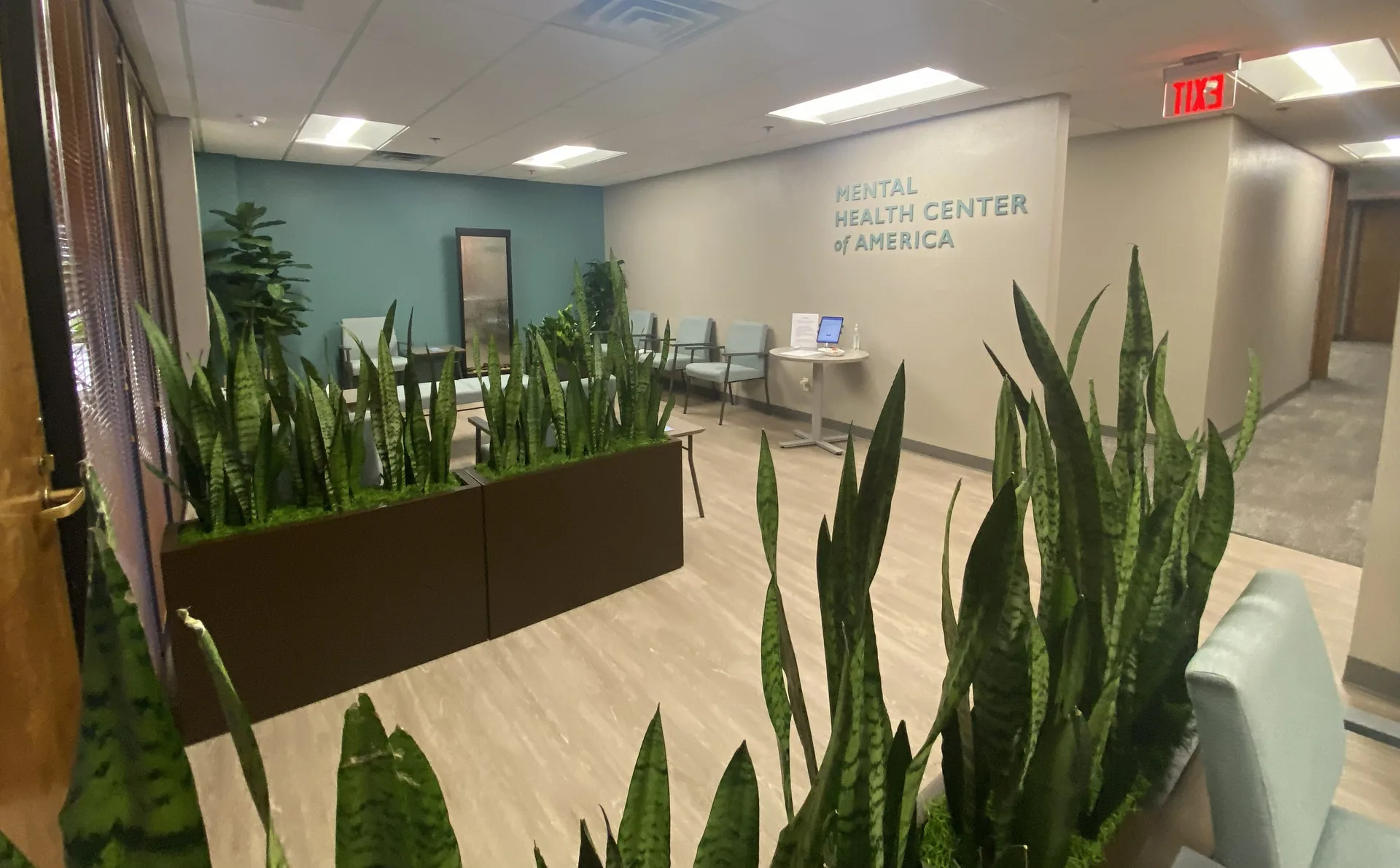
Three steps from referral to your first session.
- 1Step 1 · Referral
Get a referral — or let us help you request one
Have a referral or authorization number? We take it from there. Need one? We’ll walk you through requesting community care.
- 2Step 2 · Authorization
We handle the paperwork
We coordinate with TriWest and your referring clinic, and confirm authorization — usually the same day.
- 3Step 3 · First session
Start the same week
Same-day evaluation, then IOP (morning or evening), weekly therapy, psychiatry, or a mix — in Glendale, Mesa, or virtually.
PTSD, depression, anxiety —
PTSD therapy for veterans — CPT, PE, EMDR and more.
Cognitive Behavioral Therapy
Reframe the thought patterns that keep anxiety and depression going.
DBTDialectical Behavior Therapy
Skills for intense emotion, anger, and distress tolerance.
EMDREye Movement Desensitization & Reprocessing
Reprocess traumatic memories without retelling every detail.
CPTCognitive Processing Therapy
A first-line PTSD therapy for guilt, blame, and moral injury.
PEProlonged Exposure
Gradually face trauma reminders so they lose their grip.
ACTAcceptance & Commitment Therapy
Live by your values alongside hard thoughts and feelings.
SomaticSomatic / polyvagal-informed
Settle a nervous system stuck on high alert.
BiofeedbackBiofeedback & neurofeedback
Train arousal, sleep, and focus with real-time feedback.
MIMotivational Interviewing
Build your own reasons for change, including around alcohol.
PsychiatryWhole-person psychiatry
Mind and body together — medication only when it helps, alongside sleep, nutrition, and lifestyle.
WellnessWellness therapeutics
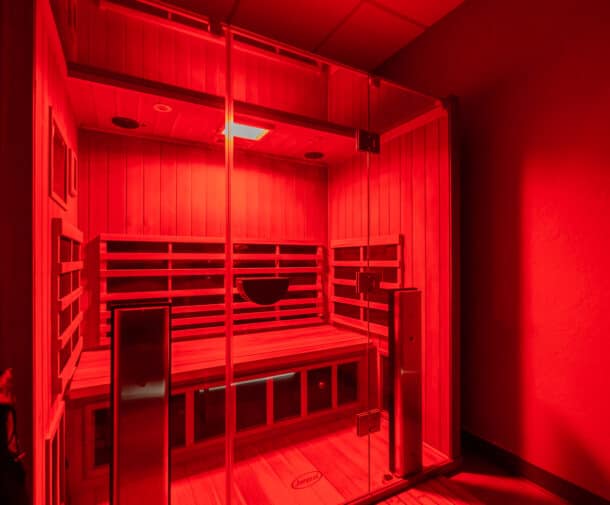
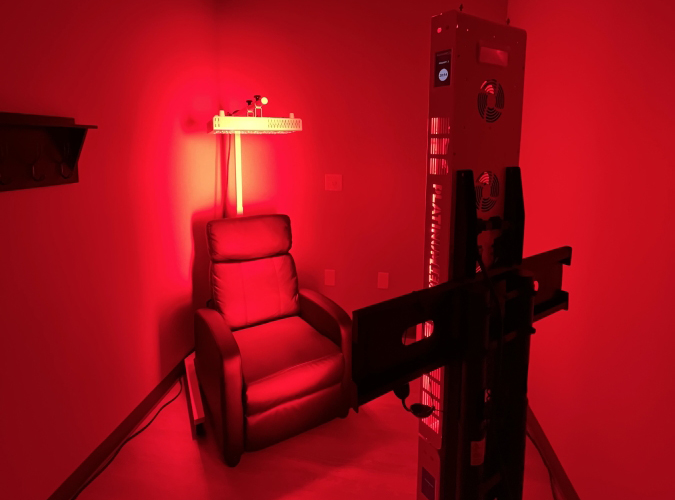
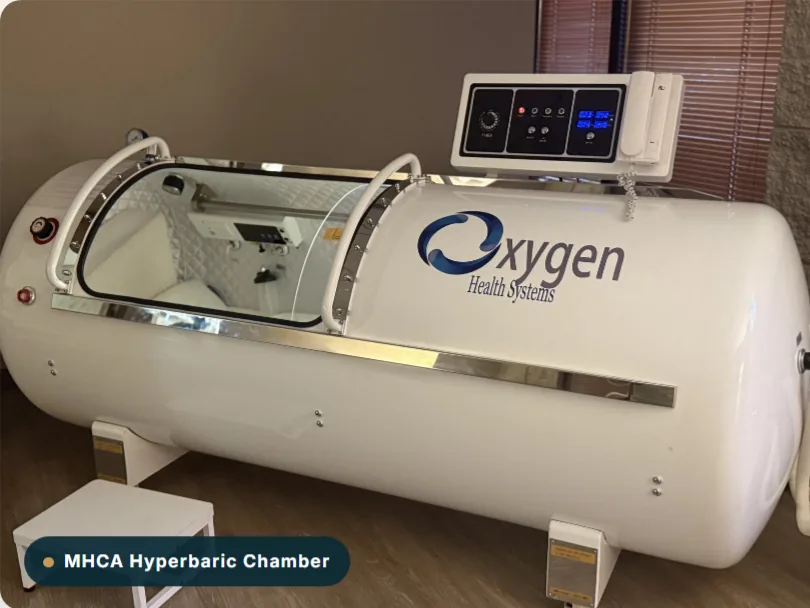
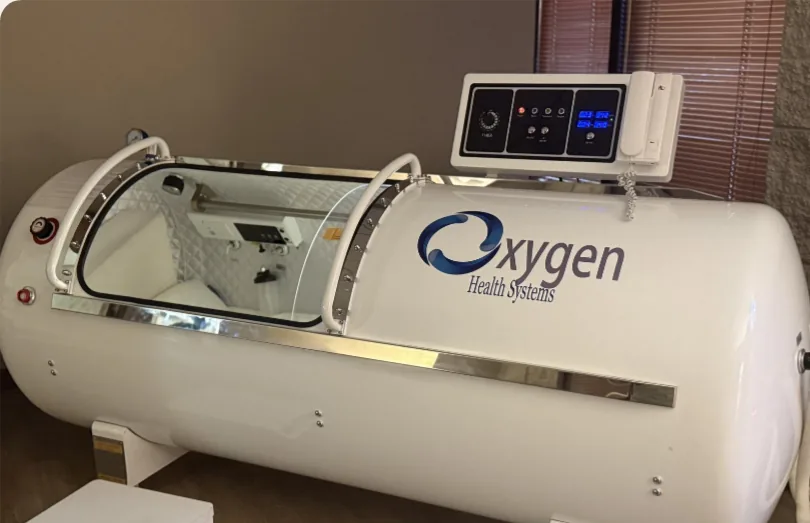
Sauna, cold plunge, red light, and HBOT to reset the body’s stress response.
GroupGroup therapy (IOP)
Skills-based groups with peers who understand the work.
Also available: TMS for treatment-resistant depression, psychological testing, and couples & family therapy for spouses and dependents.
All services & treatments →Veteran IOP: four days a week.
An individualized plan built around you — four days a week, about three hours a day, for 8–12 weeks. Real progress while you keep working, keep your duty schedule, and stay home.
- ✓Individualized treatment goals, reviewed weekly with your care team
- ✓Group therapy led by trauma-trained clinicians — skills-based, not just talk
- ✓Evidence-based therapies — CPT, PE, EMDR, CBT, DBT and more
- ✓Neurofeedback included — brain-training for arousal regulation, sleep, and focus
- ✓Wellness suite included: cold plunge, infrared sauna, red light, HBOT
- ✓Step-down to weekly therapy with the same care team when you’re ready
- Hours / week
- ~12
- Length
- 8–12 wks
Plus individualized weekly therapy, psychiatry, neurofeedback, and wellness sessions with the same team.

Infrared sauna. Cold plunge. Red light. Hyperbaric oxygen. Included in your IOP.
Based on 944 patients with two or more validated assessments (PHQ-9, GAD-7, PCL-5), January 2024 – May 2026; improvement measured as first vs. most recent documented score. “Clinically significant symptoms” = PHQ-9 ≥ 10, GAD-7 ≥ 10, or PCL-5 ≥ 33 at first assessment (n=629); 73% improved on at least one such measure. 81% of the subset engaged in two or more MHCA service lines (n=520) and 86% of the subset engaged in three or more (n=393) improved; these figures are descriptive — patients are not randomly assigned to service combinations. Outcomes data is observational and not a guarantee of results. Individual results vary.
Trauma-trained. Multidisciplinary. One team, from evaluation through recovery.
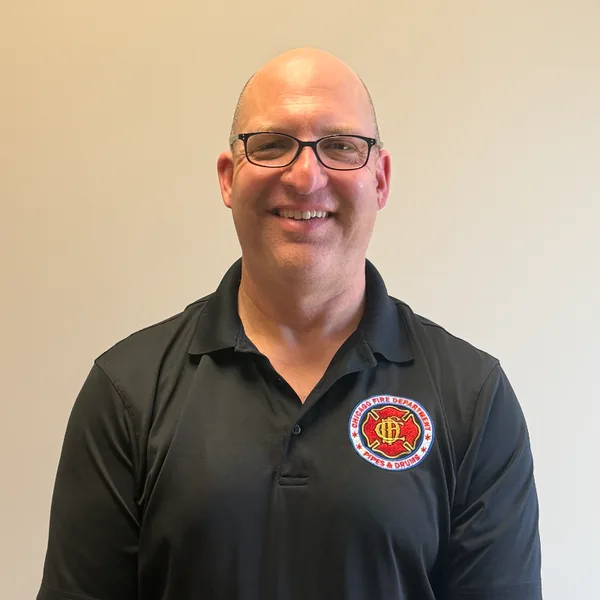
Gregg Bagdade, LPC
A decorated retired Chicago Fire Department firefighter/paramedic, Gregg came to counseling after a line-of-duty death in his own house. He and our intake team personally walk veterans and service members through Community Care referrals.
Specialties: trauma and PTSD, cumulative stress, moral injury, line-of-duty grief, critical incident recovery, and transition out of service. Author of Mental Health Mayday.
Meet Gregg →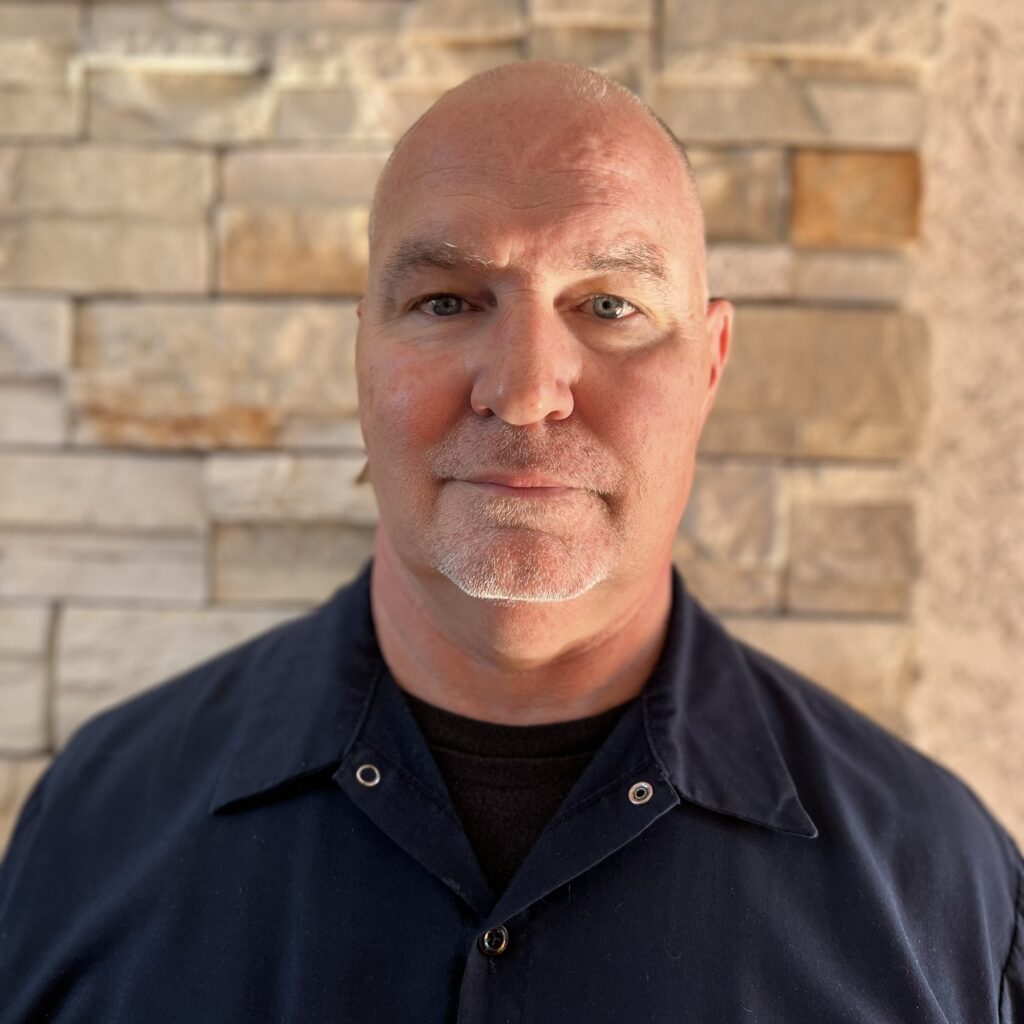
Mike Hanafin, MAPC, M.Ed., LAC
Mike helps first responders recover and thrive after emotional and psychological trauma — inspired by the colleagues he served beside.
31 years in policing: Patrol, SWAT (breacher, negotiator, negotiation supervisor), SAU, HEAT, FTO, Internal Investigator, Peer Support, and Wellness Coordinator. MA in Professional Counseling (Ottawa University), M.Ed. (Northern Arizona University).
Meet Mike →Supported by the full MHCA multidisciplinary team:
Meet all the providers → IOP Clinical Lead
John Garay, MBA/MS, LAC
Licensed Associate Counselor · trauma-informed CBT, EMDR, polyvagal-based care
 IOP Clinical Lead
Glenn Goodrich, LPC
Licensed Professional Counselor · whole-person healing, 6+ years in practice
 Supervising Psychiatrist
Mona Amini, MD, MBA
Board-Certified Psychiatrist · a decade of leadership in outcomes-focused psychiatric care
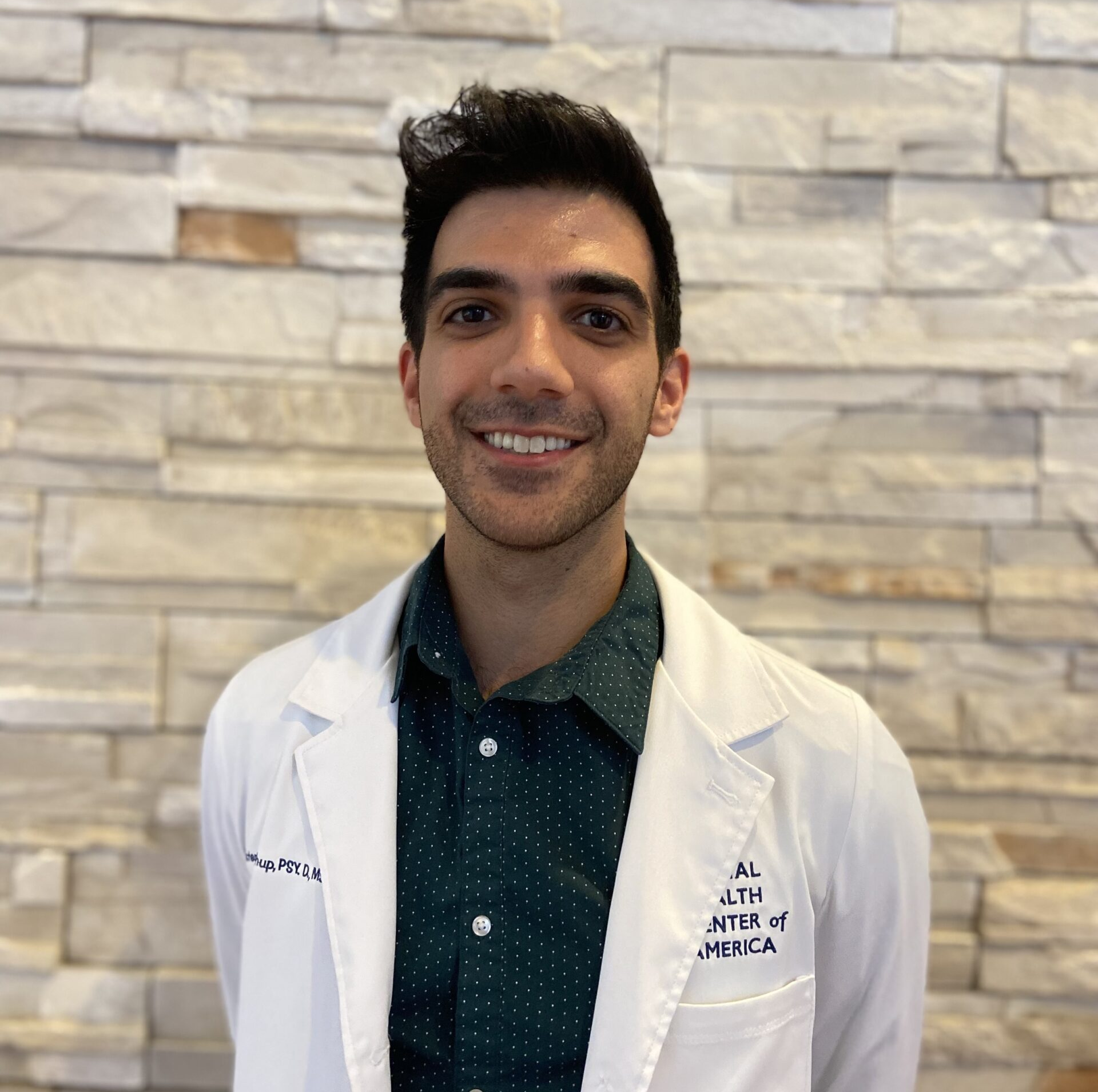 Licensed Psychologist
Dr. John Mansoor, PsyD
Clinical Health Psychologist · trauma-informed assessment, biofeedback, IOP/PHP
 Psychiatric Provider
Tara Iacono, DMSc, PA-C
Psychiatric PA · 20+ years, evidence-based medication management for trauma and mood
 Psychiatric Provider
Raul Rivera, PA-C
Psychiatric PA · collaborative medication management for depression, anxiety, and mood disorders
 Psychiatric Provider
Alyssa Bruns, PA-C
Psychiatric PA · experience in crisis and acute settings, clear and collaborative medication care
 Trauma Counselor
Mirna Pacheco, LPC, NCC
Licensed Professional Counselor · advanced EMDR training, CPT, DBT, and CBT for trauma
Referring from a VA clinic, MTF, or Vet Center?
We accept VA Community Care and TRICARE referrals for outpatient psychiatry, therapy, TMS, neurofeedback, and IOP.
- Referral line
- (602) 224-2277
- Referral fax
- 602-704-2399
- Referral email
- [email protected]
- Online
- mentalhealthcenter.com/refer-a-patient
- Turnaround
- Intake contact within 1 business day · evaluation typically same day or same week
What Phoenix-area patients say about MHCA.
★★★★★“The entire experience has been wonderful — from the initial intake to meeting with the different teams. I like the wholistic approach they embody as their treatment model.”
★★★★★“The staff at MHCA are kind, considerate, and supportive. Every person in the office puts the patients first and always makes me feel welcomed. I wholeheartedly recommend MHCA.”
★★★★★“Highly recommend to anyone seeking mental health services and medication management — wonderful and supportive providers. Very thankful for their continued dedication to helping patients with complex issues.”

Verify your benefits and get scheduled — usually within one business day.
Our intake team confirms your VA Community Care, TriWest, or TRICARE benefits, helps you request a referral if you don’t have one yet, and books your first evaluation.
- ✓Same-day evaluations available — in person or virtual
- ✓We handle the authorization paperwork with TriWest or your referring clinic
- ✓Confidential and HIPAA-protected
Prefer to talk? Call (602) 224-2277 · Mon–Fri, 8am–6pm
Request received
Thanks. Our intake team will call you within one business day to verify your benefits and get you scheduled.
Need to talk now? Call (602) 224-2277.
Active-duty service members typically need a referral from their MTF or PCM; veterans typically need a VA Community Care authorization. We’ll tell you which applies and help you get it. All accepted plans →
What service members and veterans ask us first.
Do I need to go through the VA to start treatment at MHCA?
No. Veterans can use VA Community Care (we coordinate with TriWest), but you can also use TRICARE, private insurance, Medicare, or self-pay. If you want to use VA benefits and don’t have an authorization yet, call us — we’ll walk you through requesting community care from your VA provider.
Can active-duty service members be treated at MHCA?
Yes. We regularly accept active-duty referrals through TRICARE and military treatment facilities in the Phoenix area, including for intensive outpatient care. Your PCM or base behavioral health clinic typically initiates the referral; we coordinate the authorization and report progress back to your referring provider.
Will my command find out I’m in treatment?
Your care is protected by HIPAA. For active-duty patients treated under a TRICARE referral, we communicate with your referring military clinician as required by that referral — and we’ll explain exactly what is shared before you start. We don’t contact your command. DoD policy (DoDI 6490.08) limits when a military provider must notify command, and seeking mental health care in itself is generally not a reason. If confidentiality is a concern, tell us at intake and we’ll talk it through.
Will getting mental health treatment affect my security clearance?
Under current federal guidance, seeking mental health care is not itself disqualifying for a security clearance, and the SF-86 (Question 21) specifically excludes most voluntary counseling. We can’t give legal advice about your specific situation, but we’re happy to discuss it with you and provide documentation you may need.
What does IOP cost with VA Community Care or TRICARE?
With an approved VA Community Care authorization, veterans typically have no out-of-pocket cost. TRICARE cost-sharing depends on your plan (Prime vs. Select) and status. We verify your exact benefits before your first visit so there are no surprises.
Is the program only for PTSD?
No. We treat depression, anxiety, post-deployment adjustment, moral injury, grief, sleep problems, anger, co-occurring substance use, and transition stress. Many people have several at once — that’s exactly what an integrated team is for.
Will IOP interfere with my job or duty schedule?
IOP runs about 3 hours a day, 4 days a week, with morning and evening tracks and a virtual option statewide. Most patients keep working. For active-duty patients, we coordinate scheduling with your referring clinic so treatment fits your duty requirements.
Is virtual IOP as effective as in-person?
For most patients, yes — research on telehealth IOP shows comparable outcomes, and our own data tracks virtual and in-person patients with the same assessments. In-person patients have access to the wellness suite; virtual patients can add in-person wellness visits when they’re able.
What happens after IOP?
You step down to weekly therapy and psychiatry with the same care team — no new intake, no new providers. Your PHQ-9, GAD-7, and PCL-5 scores continue to be tracked so you and your team can see that gains are holding.
Do you treat military spouses and families?
Yes. Spouses, dependents, and family members are welcome for therapy and psychiatry, and TRICARE covers eligible dependents. Deployment, reintegration, and secondary trauma affect the whole household.
Glendale & Mesa clinics serving Phoenix, Peoria, Surprise, Goodyear, Scottsdale, Tempe, Chandler, and Gilbert — plus virtual care statewide.
Glendale Clinic
17235 N 75th Ave, Suite G100
Glendale, AZ 85308
Mon–Fri · 8am–6pm
Clinic details →Phoenix & Virtual Care
Secure telehealth for evaluations, therapy, medication management, and virtual IOP from anywhere in Arizona.
Mon–Fri · 8am–6pm
Virtual care →