Transcranial Magnetic Stimulation (TMS) at MHCA.
TMS therapy at MHCA is a non-invasive, FDA-cleared brain stimulation treatment that uses precise magnetic pulses to stimulate areas of the brain associated with mood regulation. It requires no anesthesia, carries no systemic side effects, and can be completed while you remain fully awake. For many patients with major depressive disorder, TMS produces meaningful improvement after prior treatments have not.
FDA-cleared for MDD and OCD — without medication.
TMS is FDA-cleared for Major Depressive Disorder (MDD) and Obsessive-Compulsive Disorder (OCD). It is also used in the treatment of anxiety disorders and PTSD. TMS is typically recommended for patients who have not experienced sufficient relief from one or more antidepressant medications. You do not need to stop your current medications to begin TMS — and for patients seeking depression treatment without medication as a primary approach, TMS offers a non-pharmaceutical path forward.
Effective
Published response rates range from 50–65%, with remission rates of 30–40% in patients who had already attempted at least one antidepressant.
Targeted
Precise magnetic pulses are aimed at specific mood-regulating brain regions — not your whole body.
Non-pharmaceutical
No pills, no systemic side effects — you may continue current medications, or pursue TMS as a non-medication path.
Well-tolerated
Most common side effects are mild scalp discomfort or headache, typically improving as treatment progresses.
Awake & alert
No anesthesia. No recovery room. You can drive yourself home after every session.
TMS at MHCA is not a stand-alone procedure.
It is one component of a comprehensive, individualized care plan — supported by our psychiatric, therapeutic, and wellness teams throughout your treatment course. Most TMS clinics in Arizona deliver stimulation only and refer everything else out. We don’t.
- Doctoral-level clinicians lead every TMS courseYour motor threshold — the precise calibration point used for every subsequent session — is determined by a doctoral-level clinician, not a technician.
- Integrated psychiatric, therapeutic, and wellness careTMS is coordinated with your existing MHCA psychiatrist, therapist, and prescriber. One chart, one team, one plan.
- Two protocols, matched to your needsChoose Traditional TMS (insurance accepted, 36 sessions over 6–9 weeks) or the ONE-D accelerated protocol (20 sessions in a single day, $6,000 self-pay).
- Verified coverage and transparent pricingOur team verifies your insurance, manages prior authorization for Traditional TMS, and is transparent about any out-of-pocket costs before you commit.
- Existing patient? No starting overIf you’re already an MHCA patient, your provider can initiate the TMS referral directly and your existing care team adds TMS to your plan.
The MHCA care team behind every TMS course
TMS works best when it’s surrounded by the right clinical support. At MHCA, your TMS care isn’t isolated — it’s part of our full continuum of psychiatric and wellness services.
No referral required to inquire. We complete an intake evaluation to determine whether TMS is clinically appropriate for you. Most patients complete intake within one to two weeks of first contact.
Choose the protocol matched to your clinical needs and schedule.
We offer two distinct TMS protocols. The right one depends on your clinical profile, schedule, and personal preferences. Our clinical team will evaluate your history and discuss both options during your intake appointment. We’ll be straightforward with you about what we recommend and why.
Traditional TMS
- Five days per week, sessions of approximately 20–40 minutes
- Doctoral-level clinician determines your motor threshold before your first session
- Most extensively studied TMS protocol for depression and OCD
- Drive yourself home after each session — no sedation required
- Most major insurance plans cover TMS for MDD with prior authorization — our team manages verification and authorization before treatment begins
ONE-D Protocol — Accelerated TMS
- 20 TMS sessions delivered in a single day — about 9.5 hours of scheduled treatment
- Sessions spaced 30 minutes apart to optimize neuroplasticity between stimulations
- Private treatment room, gourmet catered lunch, doctoral-level monitoring throughout
- Medical director available by remote consultation at all times
- For patients who can’t commit to 6–9 weeks, want faster clinical results, and are willing to invest in a self-pay protocol
- HSA/FSA may be applicable — confirm with your plan administrator. Arrange transportation home before your appointment.
The clinical rationale for ONE-D: Accelerated TMS protocols are grounded in research demonstrating that multiple sessions delivered within a condensed timeframe can produce neuroplastic changes comparable to a standard course. The 30-minute inter-session interval is a clinically informed spacing choice, not a logistical convenience. MHCA’s ONE-D protocol has been developed and reviewed to meet clinical and legal standards for this delivery format.
Supported by our psychiatric, therapeutic, and wellness teams.
TMS at MHCA is delivered alongside the full continuum of mental health care our patients already trust — not in a silo. Insurance verification, prior authorization, transparent pricing, and clinical coordination all happen inside one team.
Psychiatric Care
Doctoral-level clinicians lead intake, motor-threshold calibration, and ongoing oversight of your TMS course.
Therapeutic Support
Individual therapy continues alongside TMS — coping skills, behavior change, and the life context around your symptoms.
Medication Management
You don’t need to stop your current medications to begin TMS. Your clinical team reviews your regimen and advises accordingly.
Wellness & Coordination
Insurance verification, prior auth, scheduling, and transparent pricing — one team handles it all from first call to final session.
Already an MHCA patient? Speak with your current provider — they can initiate the TMS referral directly. New to MHCA? No referral required. We’ll complete an intake evaluation to determine whether TMS is clinically appropriate for you.
Inside a TMS therapy visit at MHCA
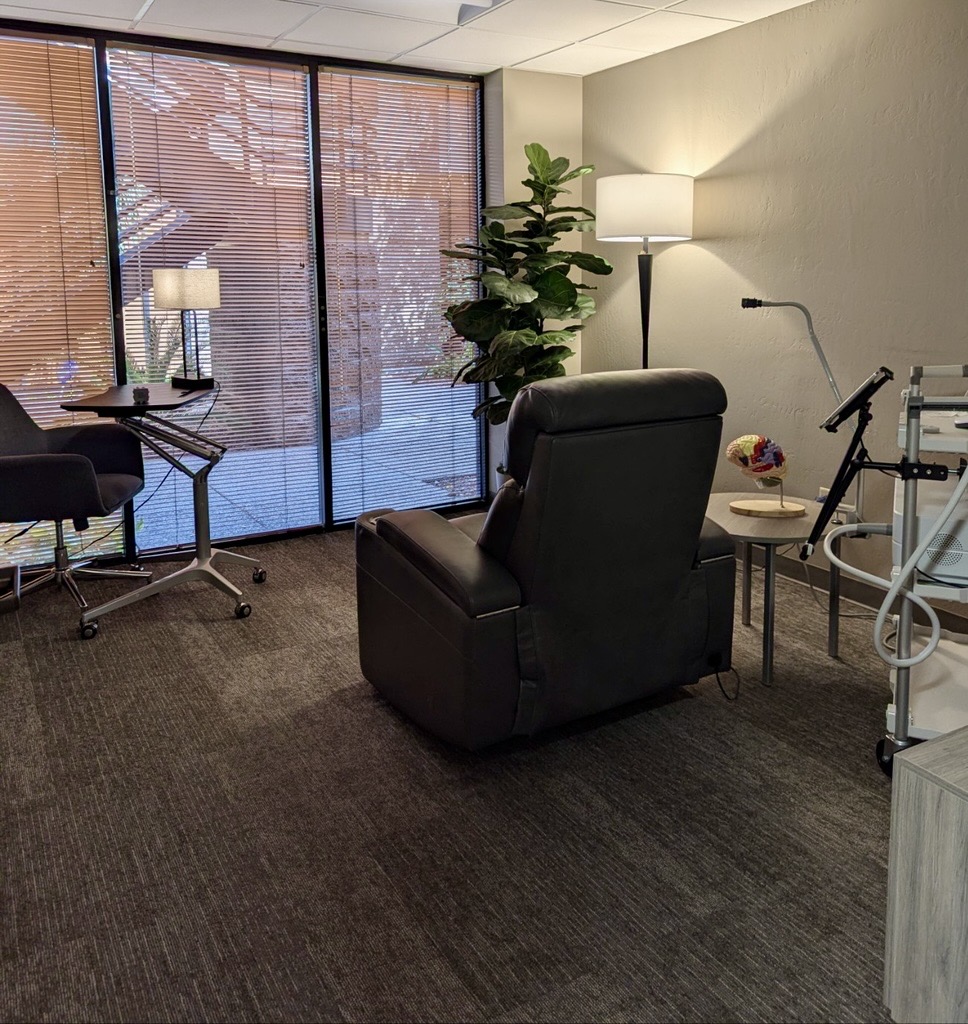
A standard course of TMS treatment in Arizona at MHCA consists of 36 sessions delivered over six to nine weeks, typically five days per week. Each session lasts approximately 20 to 40 minutes. You will hear a clicking sound and feel a gentle tapping on your scalp during treatment. No sedation is required, and you can drive yourself home afterward.
1. Welcome & Check-In
Brief mood and side-effect check with your MHCA TMS care team. Your treatment plan is on screen and ready.
2. Motor-Threshold Calibration with a Doctoral-Level Clinician
Before your first treatment, a doctoral-level clinician determines your motor threshold — the precise calibration point used for every subsequent session.
3. Stimulation Session (20–40 minutes)
You sit comfortably while the TMS coil rests lightly against your head. You’ll hear clicking and feel tapping on your scalp. Your MHCA team monitors throughout.
4. Wrap-Up & Follow-Through
No grogginess. No restrictions. Drive yourself home, return to work, or continue your day — with your therapy and medication management progressing in parallel at MHCA.
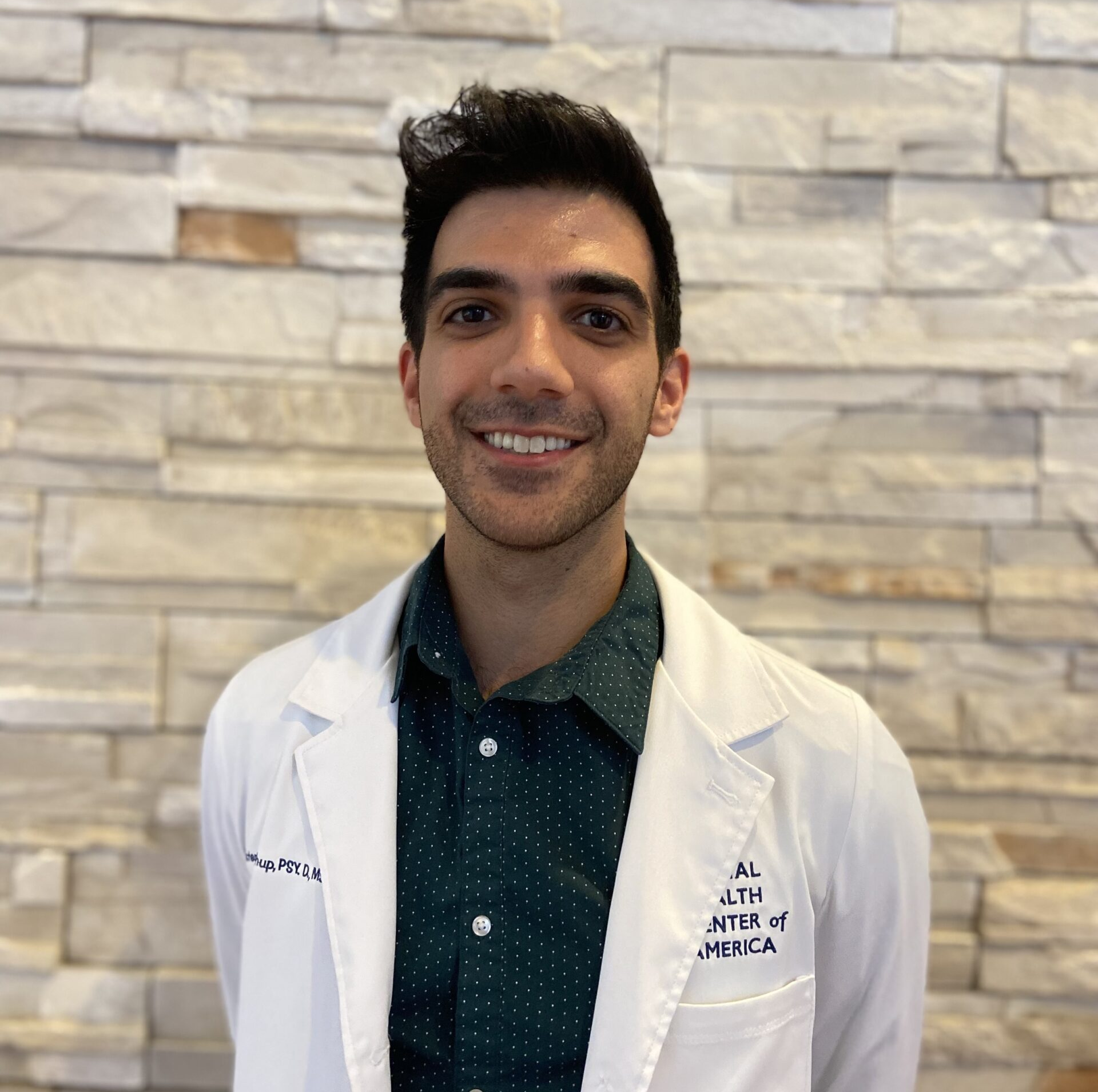
Meet your TMS providers
Our psychiatrists, psychologists, PAs, nurse practitioners, and therapists bring decades of combined experience treating the full spectrum of mental health concerns. Get to know the people who’ll be in your corner.
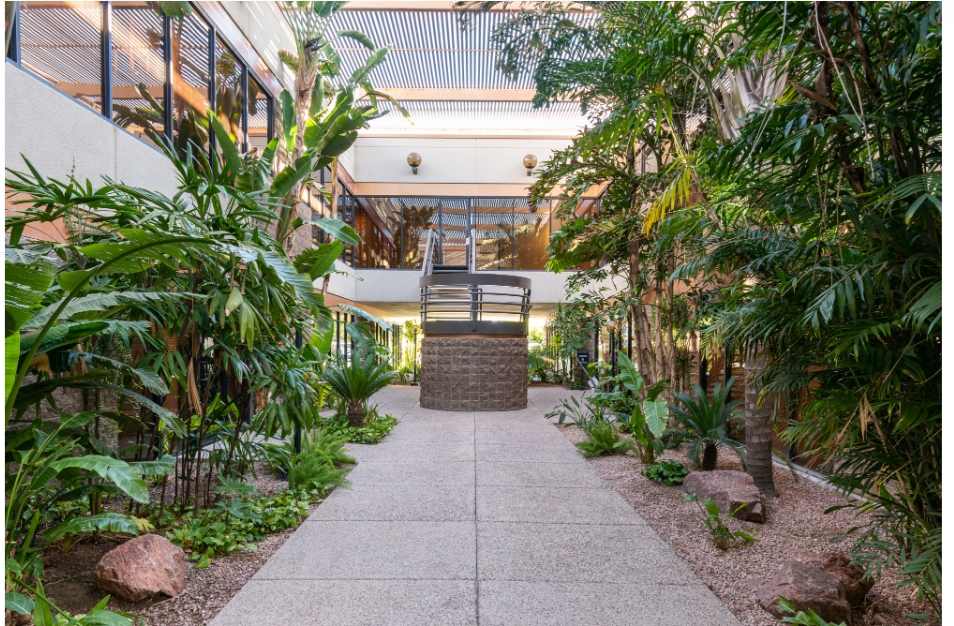
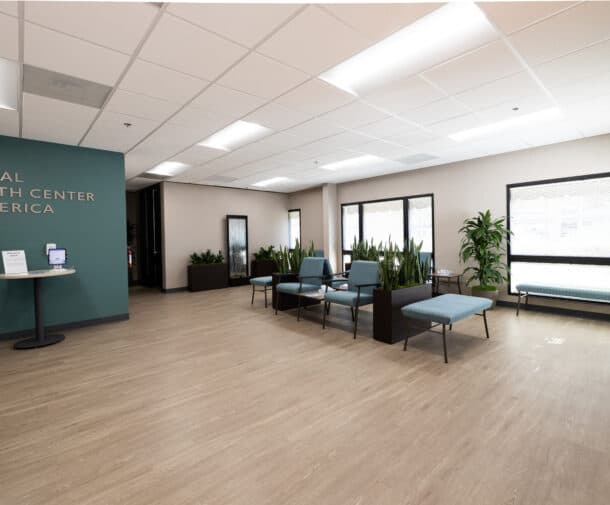
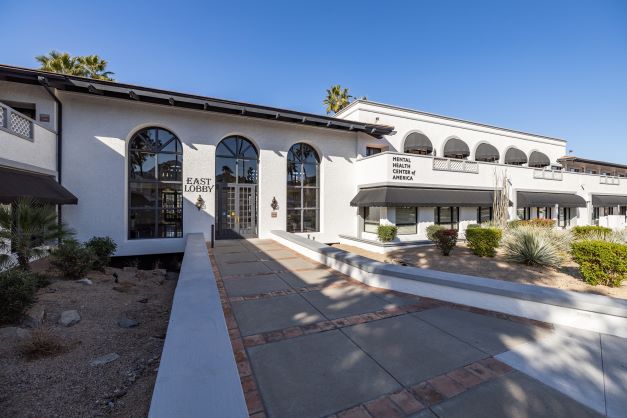
In-person TMS at MHCA Mesa & Glendale
TMS treatment is delivered in-person — precise coil placement and clinical supervision require it. Your initial commitment-free assessment can happen in-person or virtually at any MHCA location.
MHCA Mesa Clinic
1745 S. Alma School Road, Suite 1455Mesa, AZ 85210 New Patients: (602) 224-2277
MHCA Glendale Clinic
17235 N. 75th Avenue, Suite G100Glendale, AZ 85308 New Patients: (602) 224-2277
Virtual Clinic
Schedule your initial commitment-free assessment by video from anywhere in Arizona. TMS treatment then takes place in person at our Mesa or Glendale clinic. Schedule Virtual AssessmentTMS treatment is delivered in-person only. Magnetic stimulation requires precise coil placement and clinical supervision — it cannot be delivered via telehealth.
Real words from real people
This has been a life-saver. I didn’t know life could be like this.
I struggled with depression for years, and was tired of feeling isolated and detached. I tried medication and therapy, but nothing brought me lasting relief. This has truly been life-changing — my depression no longer controls me, and I feel optimistic about my future in a way I haven’t in years.
Common questions about TMS at MHCA
Where can I get TMS therapy in Arizona?
MHCA offers TMS therapy in Arizona at our Mesa and Glendale clinics. Your initial commitment-free assessment can be in-person at either clinic or virtual via video, with TMS treatment then delivered in person in Mesa or Glendale. Call new patients at (602) 224-2277 Mon–Fri 8a–6p.
Do I need a referral?
No referral is required to inquire about TMS at MHCA. We will complete an intake evaluation to determine whether TMS is clinically appropriate for you. If you are already an MHCA patient, speak with your current provider — they can initiate the TMS referral directly.
Can I continue my medications during TMS?
In most cases, yes. TMS is not contraindicated with psychiatric medications, and many patients continue their existing regimen throughout treatment. Your clinical team will review your medications before treatment begins and advise accordingly.
Is TMS covered by my insurance?
Traditional TMS is covered by most major insurance plans for major depressive disorder, typically after prior authorization. Our team handles the verification and authorization process. The ONE-D accelerated protocol is self-pay only.
How do I know which protocol is right for me — Traditional TMS or ONE-D?
The right protocol depends on your clinical profile, schedule, and personal preferences. Our clinical team will evaluate your history and discuss both options during your intake appointment. Some patients are strong candidates for either; others have clear reasons to prefer one. We will be straightforward with you about what we recommend and why.
What does TMS treatment cost at MHCA?
Traditional TMS is covered by most major insurance plans for major depressive disorder, with prior authorization handled by our team. The ONE-D accelerated protocol is $6,000 self-pay only — insurance does not cover accelerated protocols at this time. HSA/FSA funds may be applicable; confirm with your plan administrator. We will be transparent about any out-of-pocket costs before you commit.
What are the risks of TMS?
TMS is generally well-tolerated. The most common side effects are scalp discomfort and headache during or shortly after treatment — typically mild and improving as treatment progresses. Seizure is a rare but serious risk; MHCA follows established safety protocols for prevention and response. A full informed consent process is completed before treatment begins.
Is TMS the same as ECT (electroconvulsive therapy)?
No. TMS and ECT are very different. TMS is non-invasive, requires no anesthesia, and does not intentionally cause a seizure. You stay fully awake and alert. Most patients drive themselves home after their session.
What does the research show?
Clinical trials consistently show that TMS produces meaningful improvement in depression symptoms for the majority of patients who complete a full course. Response rates — significant symptom reduction — range from 50 to 65 percent in published studies. Remission rates range from 30 to 40 percent. These figures reflect results in patients who had already attempted at least one antidepressant without adequate relief.
Is TMS therapy available virtually or at home?
No. TMS requires precise coil placement and direct clinical supervision, so MHCA delivers TMS in-person only — at our Mesa or Glendale clinic.
How do I get started?
Call our Mesa office at new-patient line (602) 224-2277, or submit an inquiry through this page. Our intake team will schedule an initial evaluation with a doctoral-level clinician, review your history, verify insurance coverage for Traditional TMS, and walk you through next steps. Most patients complete their intake evaluation within one to two weeks of first contact.
Schedule your commitment-free assessment.
Submit an inquiry below and our intake team will reach out the same business day. We’ll schedule your initial evaluation with a doctoral-level clinician, review your history, verify insurance for Traditional TMS, and walk you through next steps. Most patients complete intake within one to two weeks of first contact.
Schedule your commitment-free assessment.
Schedule your commitment-free assessment at our convenient Mesa or Glendale clinic, or virtually by video, and our helpful staff will assist you. We accept most insurance coverages for psychiatric services and treatment.
TMS is FDA-cleared for the treatment of Major Depressive Disorder (MDD) and Obsessive-Compulsive Disorder (OCD), and is also used in the treatment of anxiety disorders and PTSD. Seizure is a rare but serious risk; MHCA follows established safety protocols for prevention and response. A full informed consent process is completed before treatment begins. Individual results may vary. TMS is not appropriate for every patient; eligibility is determined by a doctoral-level clinician after evaluation. The ONE-D accelerated protocol is self-pay only at $6,000; HSA/FSA may be applicable.