

ADHD testing at MHCA
What is ADHD testing?
ADHD testing is a structured clinical evaluation used to confirm or rule out attention-deficit/hyperactivity disorder. At Mental Health Center of America in Phoenix, Mesa, and Glendale, Arizona, it combines a 60-minute clinical interview with a licensed psychologist, standardized rating scales completed by you and a collateral reporter, and objective cognitive and attention testing. Total testing time is 3–6 hours, usually in one visit. Your written report is typically ready within about two weeks, and you review it with your psychologist in a dedicated results session.
How much does ADHD testing cost at MHCA?
ADHD testing at MHCA ranges from $750 to $3,500 and up, depending on the length of the battery and whether your insurance covers psychological testing. MHCA is in network with UnitedHealthcare/Optum, Blue Cross Blue Shield, Aetna, Cigna/Evernorth, Medicare, TriWest, and Ambetter. We verify your benefits and give you an exact out-of-pocket figure before you schedule — see full details on our Pricing & Insurance page.
How long does ADHD testing take?
Testing itself takes 3–6 hours and is usually completed in a single visit. From your first call: a same-business-day callback, then a scheduled testing appointment. Your written report is typically ready within about two weeks of testing, and you review it with your psychologist in a dedicated results session. Rating scales sent to a parent, partner, or teacher are completed before you arrive, which keeps the visit shorter.
Inside the evaluation
Every battery is built around the person being tested — a 9-year-old and a 34-year-old don’t get the same tests. Here is what a typical adult evaluation looks like.
Why a real evaluation
A diagnosis needs three independent lines of evidence.
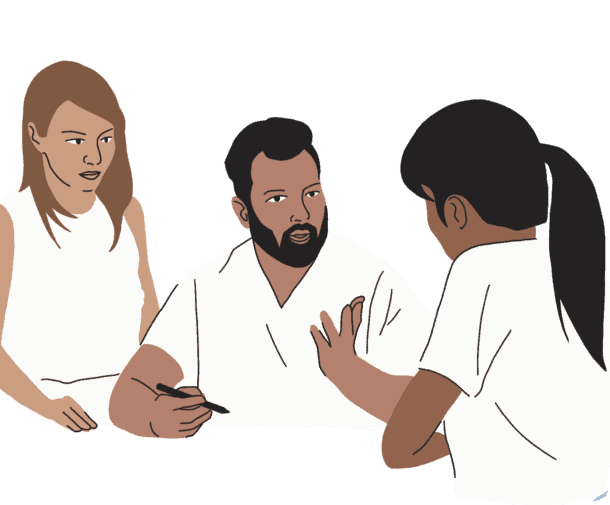
A defensible evaluation triangulates what you report, what someone who knows you reports, and how you actually perform — then rules out the conditions that look like ADHD.
Self-report
Structured interview and standardized self-rating scales across childhood and today.
Collateral report
A parent, partner, or teacher completes matched scales — symptoms must show up across settings.
Objective performance
Cognitive and continuous-performance testing measures attention and working memory directly.
→ Written diagnosis
Converging evidence, differential ruled out, and specific recommendations in a report you keep.
The battery
Every measure in your evaluation, named up front.
Six instruments make up a typical battery. Naming them tells your prescriber, your child’s school, or a disability-services office exactly what they’re reading when the report reaches them.
Clinical interview
Developmental, academic, and medical history, plus a collateral interview with a parent or partner.
Rating scales
Matched self and collateral forms, so symptoms have to show up in more than one setting.
Cognitive testing
Working memory and processing speed measured directly — adults on the WAIS-5, children on the WISC-V.
Attention performance
Continuous performance testing of sustained attention and impulsivity. Nothing self-reported here.
Academic screening
Achievement measures, added when a learning disorder is part of the referral question.
Differential screening
Anxiety, depression, and poor sleep mimic ADHD. We rule them in or out rather than assume.
Who we test
ADHD looks different at 9, 19, and 39.
The battery, the rating scales, and the collateral sources all change with age. An adult evaluation is not a scaled-up version of a child’s.
Ages 6–12
School-age children
Teacher and parent rating scales, classroom behavior data, and academic screening to separate ADHD from a learning disorder. The report is written to support a 504 plan or IEP request.
Ages 13–17
Teens
Executive-function testing plus self-report. Teens often mask inattention until coursework outpaces their compensations — a drop in grades is the most common referral point.
College & grad school
Students seeking accommodations
Documentation written to the standard disability-services offices and professional testing boards actually require for extended time.
Ages 18+
Adults, including a first diagnosis
We test for ADHD and screen the conditions that mimic it — anxiety, depression, sleep disorders, and trauma. If treatment follows, psychiatry picks up in the same chart.
Get started
A same-business-day callback, results within about two weeks.
Tell us what you’re seeing. We verify your coverage and get you scheduled. Testing itself takes 3–6 hours, usually in one visit, and your written report follows within about two weeks.
Schedule a brief, no-commitment consult with one of our psychologists. They’ll talk through what you’re seeing and recommend the right next step — testing or otherwise.
Call (602) 224-2277 →Your psychologists
Who performs your evaluation.
Every evaluation is administered and interpreted by a doctoral-level psychologist — the same person who sits down and reviews the report with you.



Where you’ll be tested
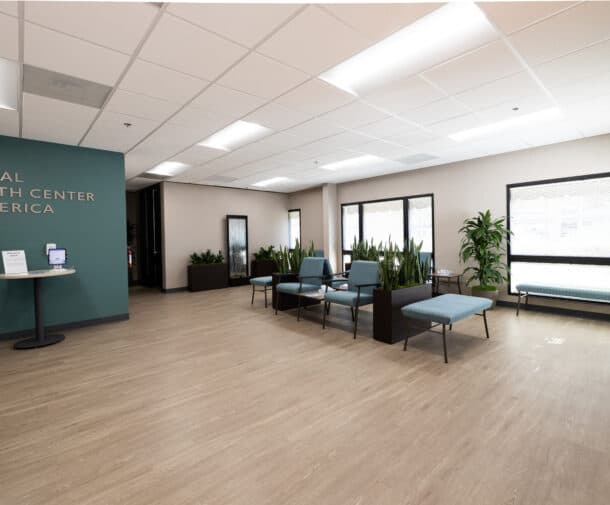
Testing in Phoenix, Mesa & Glendale — plus virtual, statewide.


Patient reviews
What MHCA patients say.
★★★★★
“Amazing facility with a well-informed and professional staff. I’ve been going here 9+ months now and it’s helped me tremendously.”
J. · Google · Mesa
★★★★★
“The staff at MHCA are kind, considerate, and supportive. Virtual visits make it possible to meet with providers when I need them.”
Kelly B. · Google · Glendale
★★★★★
“The initial assessment was thorough and Dr. Shasteen was very nice.”
Google review · Phoenix
Common questions
ADHD testing at MHCA.
How long does ADHD testing take?+
Testing takes 3–6 hours, usually in one visit. Your written report is typically ready within about two weeks, and you then meet your psychologist for a dedicated session to review the findings.
Does insurance cover ADHD testing in Arizona?+
Often, yes. MHCA is in network with UnitedHealthcare/Optum, Blue Cross Blue Shield, Aetna, Cigna/Evernorth, Medicare, TriWest, and Ambetter. Psychological testing is billed differently from a therapy visit, so we verify your specific benefit and quote your exact out-of-pocket cost before scheduling. Private-pay rates run $750–$3,500 depending on battery length.
Can adults be diagnosed with ADHD for the first time?+
Yes — about half of U.S. adults with current ADHD were first diagnosed in adulthood. Adult evaluations rely more on retrospective history, executive-function testing, and a collateral report from a partner or parent, and they screen carefully for anxiety, depression, and sleep problems, which produce similar symptoms.
Will the report get my child a 504 plan or IEP?+
The school makes eligibility decisions, but our reports are written to the standard schools require: named instruments, standardized scores, functional impact, and specific recommended accommodations. We include academic screening when a learning disorder is in question.
How should I prepare for ADHD testing?+
Sleep well the night before and avoid stimulants including caffeine. Bring a list of any prescription or over-the-counter medications, and a light snack — water is provided. Leave distractions like a smartwatch at home. If rating scales were sent to a parent, partner, or teacher, make sure they’re completed before your visit.
Is ADHD testing the same as neuropsychological testing?+
Yes. Patients and referring providers often use “neuropsychological evaluation” and “ADHD testing” interchangeably — both describe the same combination of clinical interview, rating scales, and standardized cognitive and attention testing described on this page.
Can I get ADHD testing online?+
Your initial consultation can be by video from anywhere in Arizona. The standardized cognitive and attention testing is administered in person at our Phoenix, Mesa, or Glendale clinic, because remote administration is not valid for several of the instruments involved.